Climate Education and Renewable Energy for Sustainable Development of Karkaraly National Nature Park
Location: Karkaraly, Kazakhstan
Case study conducted by: Mariya Tyuryuchsheva
Time span: 2023 – 2025
SDGs: 7, 13, 15
Partners: EcoObraz NGO, Karkaraly State National Park, Educational institutions and teachers, Local communities and residents, Local authorities and Media and social networks
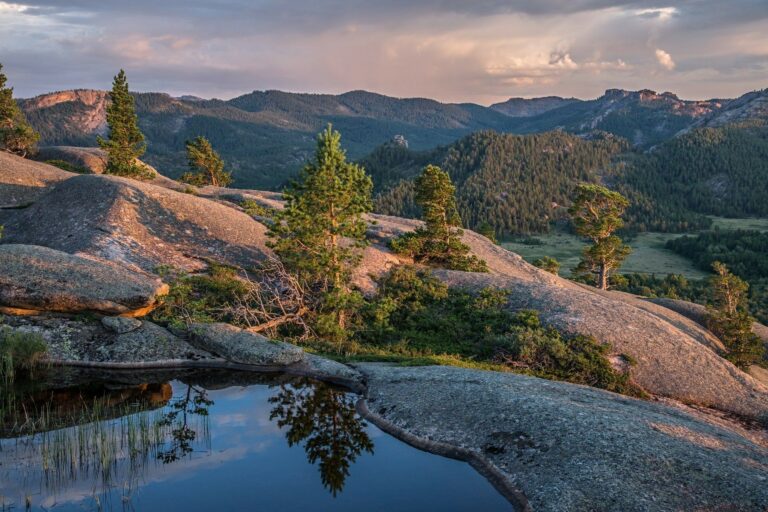
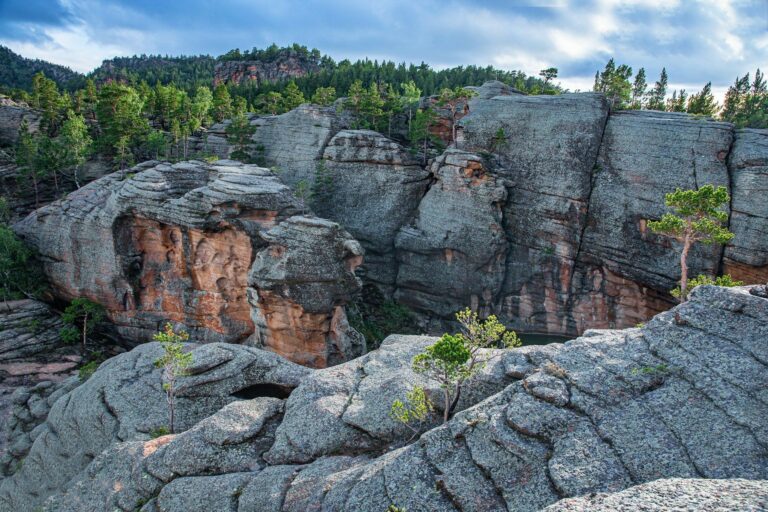
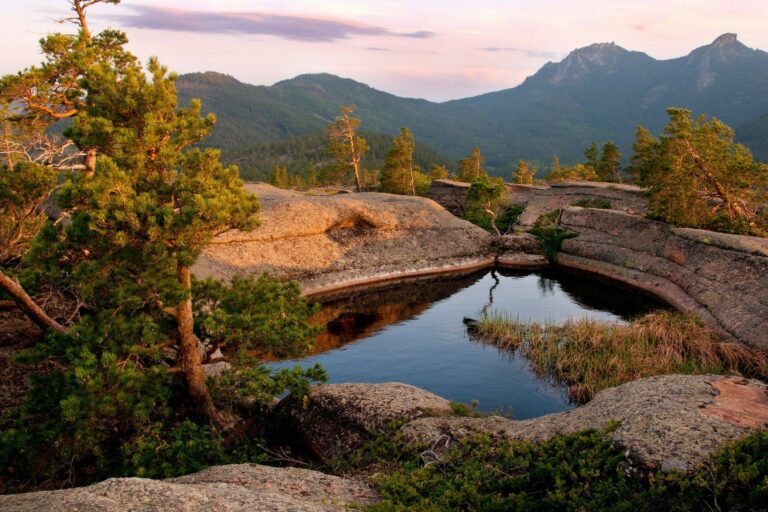
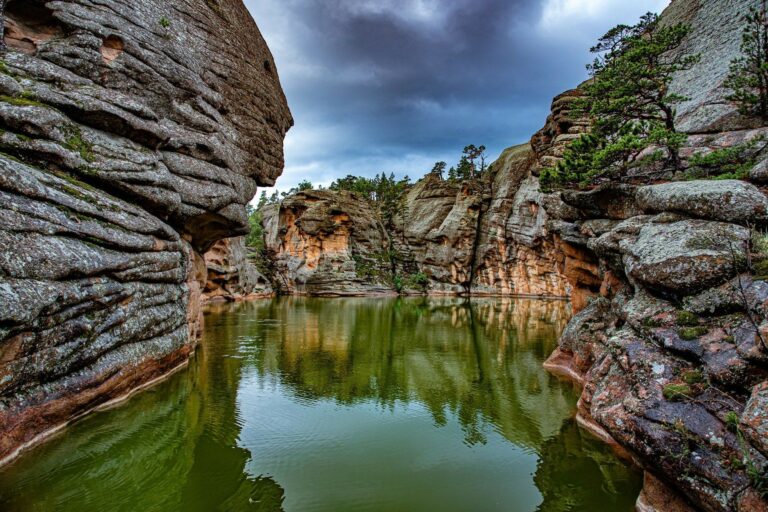
The Karaganda region of Kazakhstan is characterized by a sharply continental climate, increasing aridity, high risks of forest fires, and significant ecosystem vulnerability. The Karkaraly State National Nature Park (SNNP) is one of the key natural areas of the region, performing essential functions in the conservation of forest-steppe ecosystems, the development of ecotourism, and environmental education.
Kazakhstan is a unitary state with a centralized political-administrative system, where national ministries and regional akimats play a defining role in implementing policy. While climate change is officially recognized at the national level – Kazakhstan has ratified major international conventions and adopted climate and renewable energy legislation – practical implementation mechanisms at the regional level remain limited. This creates a gap between national climate commitments and their translation into localized action.
In practice, the effectiveness of environmental and climate initiatives depends on how national priorities are interpreted and applied by regional authorities, state institutions such as SNNPs, and local communities. Formal hierarchies can sometimes constrain bottom-up innovation, which makes informal coordination, NGO leadership, and community engagement particularly important.
Kazakhstan’s national policy is aimed at reducing greenhouse gas emissions, promoting renewable energy sources, and raising public awareness. At the same time, the regions continue to face a low level of climate literacy, limited practical use of renewable energy in protected areas, and a strong need for greater involvement of local communities.
The socio-economic context of the Karaganda region also shapes the project. The region’s industrial legacy – dominated by mining and metallurgy – influences environmental awareness and local vulnerabilities. Rural communities depend on natural resources and tourism, making them sensitive to ecological degradation and receptive to practical climate and environmental initiatives.
The project implemented by the “EcoObraz” NGO emerged as a response to these challenges and is aimed at ensuring the sustainable development of the State National Nature Park under conditions of climate change through education, communication, the development of renewable energy, and engagement with tourists and local residents.
In GOGREEN, we define the green SDGs as the following SDGs: SDG 6, SDG 7, SDG 11, SDG 12, SDG 13, SDG 14, SDG 15