Clean Energy Solutions and Women Engagement in Yagnob, Tajikistan
Location: Yagnob, Tajikistan
Time Span: 2024-2025
Green SDGs: 7, 13
Partners: Little Earth NGO, local authorities and communities
In GOGREEN, we define the green SDGs as the following SDGs: SDG 6, SDG 7, SDG 11, SDG 12, SDG 13, SDG 14, SDG 15
The Clean Energy Solutions and Women Engagement in Yagnob project is a grassroots-based initiative implemented by the Tajik NGO Little Earth, aimed at addressing interconnected challenges of energy poverty, environmental degradation, and gender inequality in remote mountain communities of Tajikistan. The project takes place in the isolated Yagnob Valley, where limited infrastructure, lack of electricity, and harsh environmental conditions force residents to rely heavily on firewood, manure, and coal for cooking and heating. This dependence contributes to deforestation, land degradation, and significant health problems, particularly respiratory illnesses caused by indoor smoke. At the same time, women and children bear a disproportionate burden, as they are primarily responsible for collecting fuel and managing household energy needs, while also facing restricted access to education and limited participation in local decision-making due to traditional patriarchal norms.
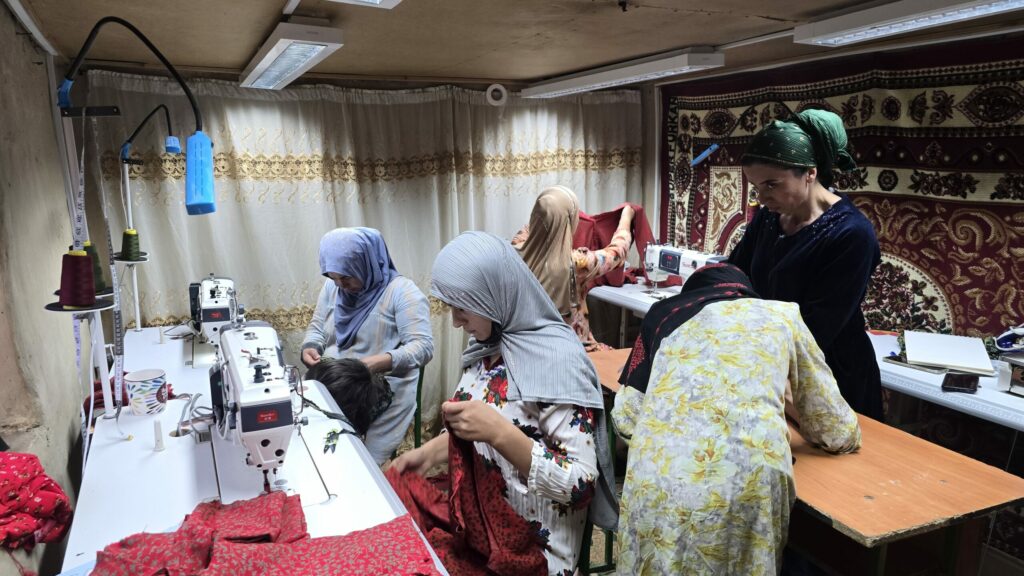
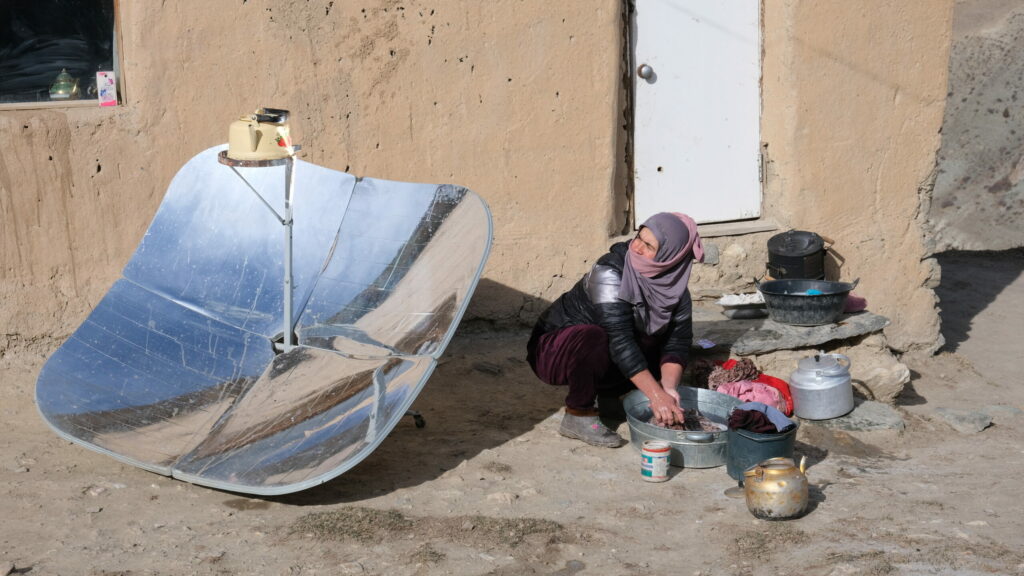
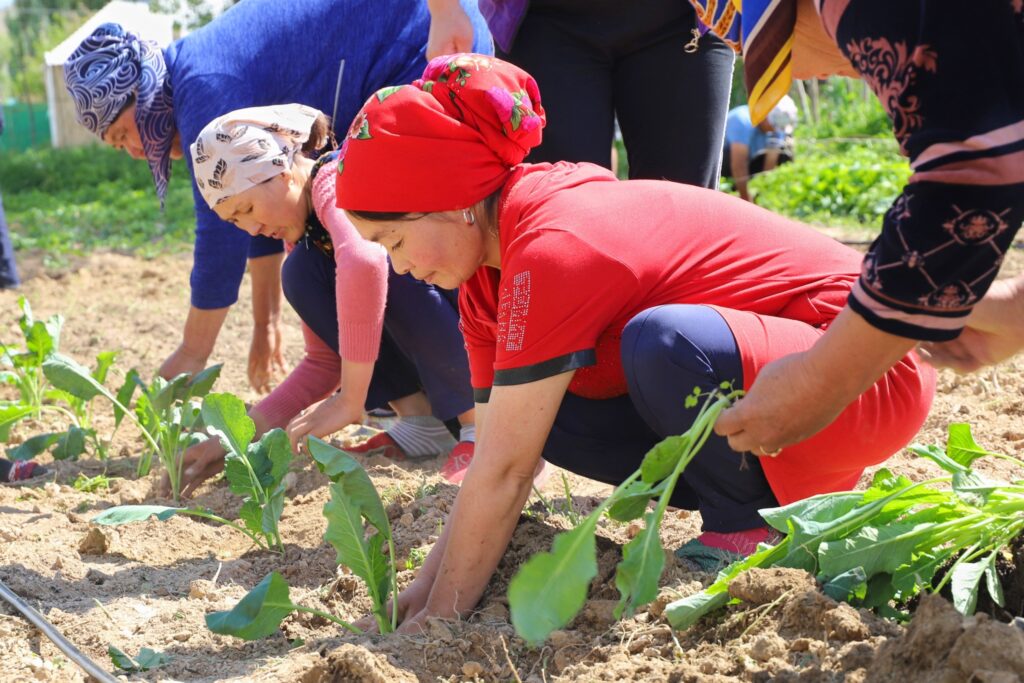
In response to these challenges, the project adopts a participatory and community-based approach that places women at the center of local development and environmental solutions. Through a series of training sessions, women are provided with knowledge on renewable energy, energy efficiency, sustainable resource management, and gender equality. This capacity-building component is combined with the introduction of practical clean energy technologies, including solar cookers, solar shower bags, energy-efficient stoves, and small off-grid solar systems, which help reduce dependence on firewood and improve everyday living conditions. Importantly, the project also actively involves women in identifying local needs and co-developing solutions together with the NGO and local authorities. This collaborative process resulted in the implementation of several small-scale initiatives tailored to local conditions, such as a solar greenhouse that enhances food security and enables income generation, a solar-powered sewing workshop that creates employment opportunities for women, and a public bathhouse equipped with a solar water heater that improves sanitation and overall quality of life.
The outcomes of the project are both immediate and long-term. The adoption of energy-efficient and solar technologies has led to a reduction in firewood consumption, thereby decreasing pressure on local ecosystems and lowering carbon emissions. At the same time, reduced indoor air pollution has improved health conditions, while the decreased need for fuel collection has lessened the physical workload on women and freed up time for education, self-development, and community participation. Economically, the project has strengthened local resilience by creating small income-generating activities, while socially it has contributed to shifting gender roles by empowering women with knowledge, skills, and increased confidence. Women who once had little voice in their communities are now more actively involved in local discussions and decision-making processes, supported by structured interactions with village and district authorities.