The Atayan-Baba Aigulu Micro-Reserve, Kyrgyzstan
Location: Atayan-Baba, Kyrgyzstan
Time Span: 2022 – present
Green SDGs: 11, 12, 13, 15
Partners: Village residents, land users, initiative group, local leader, schools, women’s groups, elders and local activists, ayil okmotu and local kenesh, Ministry of Natural Resources, civil society organisations, biodiversity experts and scientists, CEPF-supported project framework and partner organisations.
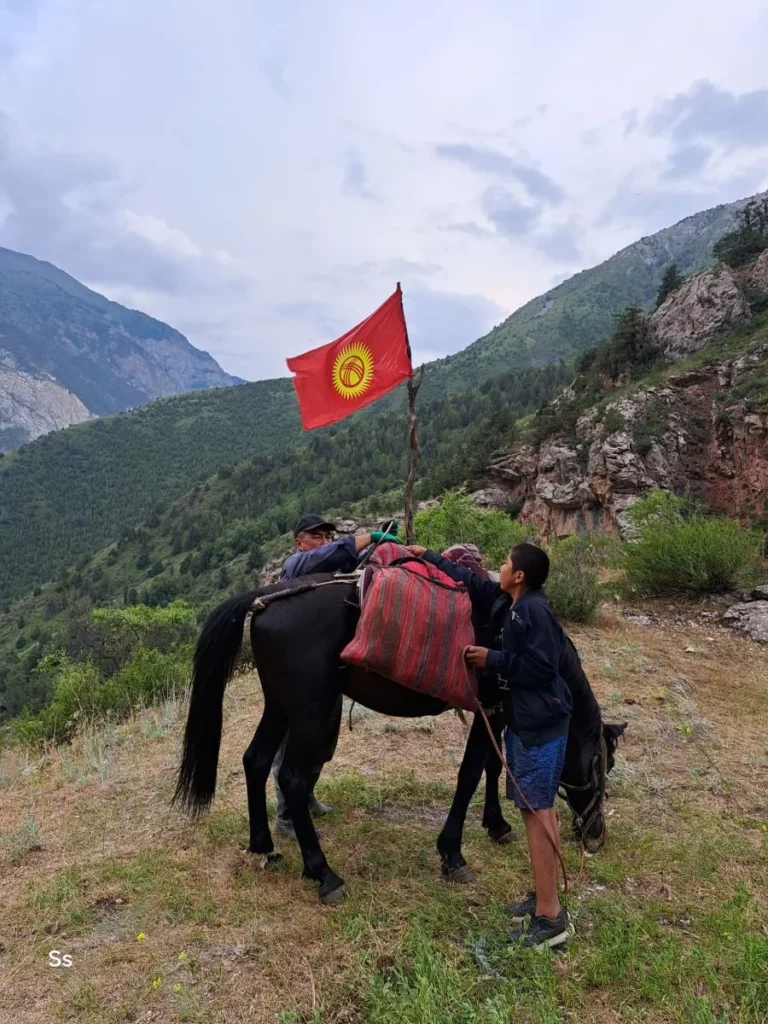
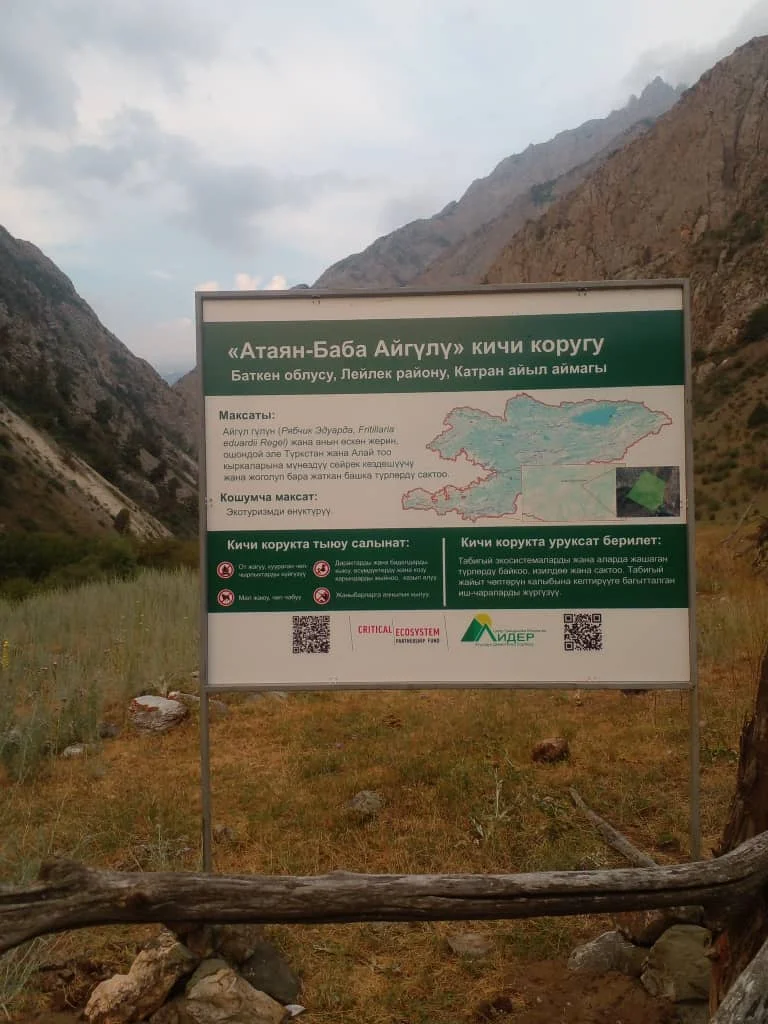
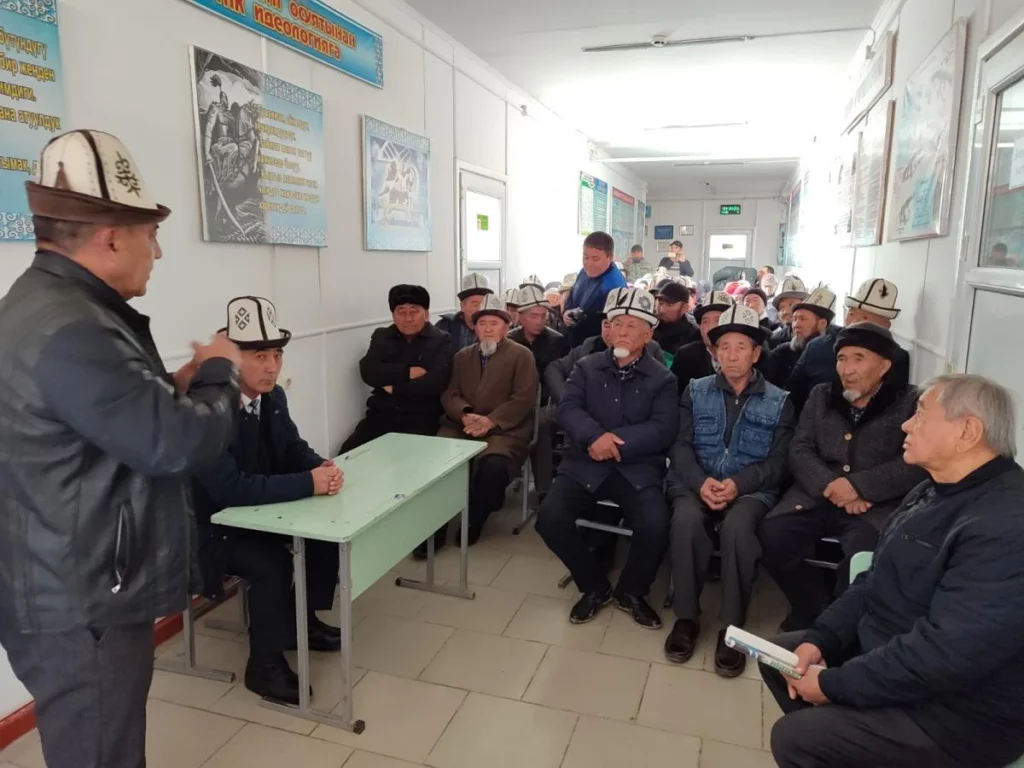
The Atayan-Baba Aigulu Micro-Reserve is part of a broader initiative in Kyrgyzstan aimed at developing and testing a new model of locally governed protected areas. Introduced following the adoption of Government Resolution No. 554 in 2022, the micro-reserve approach enables local communities and authorities to establish small-scale protected sites within intensively used agricultural landscapes. The case is situated in Leilek District, where local actors, supported by national institutions and international partners, worked together to formalise and implement this new conservation mechanism.
The core objective of the initiative is to protect ecologically valuable “islands” of biodiversity – such as remnants of natural vegetation and habitats for rare species – that are increasingly threatened by land-use pressures. In Kyrgyzstan, almost half of the country’s territory is used as pastureland, and ongoing agricultural expansion has contributed to ecosystem degradation and fragmentation. Micro-reserves seek to address these challenges by excluding economic activity from strategically important areas, while embedding responsibility for their management within local self-government structures and community participation. The initiative builds on a governance model in which local decision-making is carried out through elected councils and executive bodies, such as the ayil okmotu, while national authorities retain oversight and regulatory functions. This institutional framework allows for community-driven conservation efforts, but also requires formal procedures, documentation, and state-level approval for the legal establishment of protected areas. The micro-reserve thus represents a co-creation process in which civic initiative, expert knowledge, and public authority are combined to produce formally recognised and locally embedded environmental solutions.
Beyond its legal and ecological dimensions, the case highlights broader ambitions related to sustainability and community engagement. The project contributes to biodiversity conservation, strengthens environmental awareness among residents, and promotes new forms of collaboration between local communities and public institutions. As part of a wider pilot initiative supported by international funding and expertise, the Atayan-Baba Aigulu micro-reserve also forms part of an emerging network of similar sites, demonstrating the potential for scaling up locally governed conservation models across Kyrgyzstan
In GOGREEN, we define the green SDGs as the following SDGs: SDG 6, SDG 7, SDG 11, SDG 12, SDG 13, SDG 14, SDG 15